
Hot Plates & Chill Plates
Description
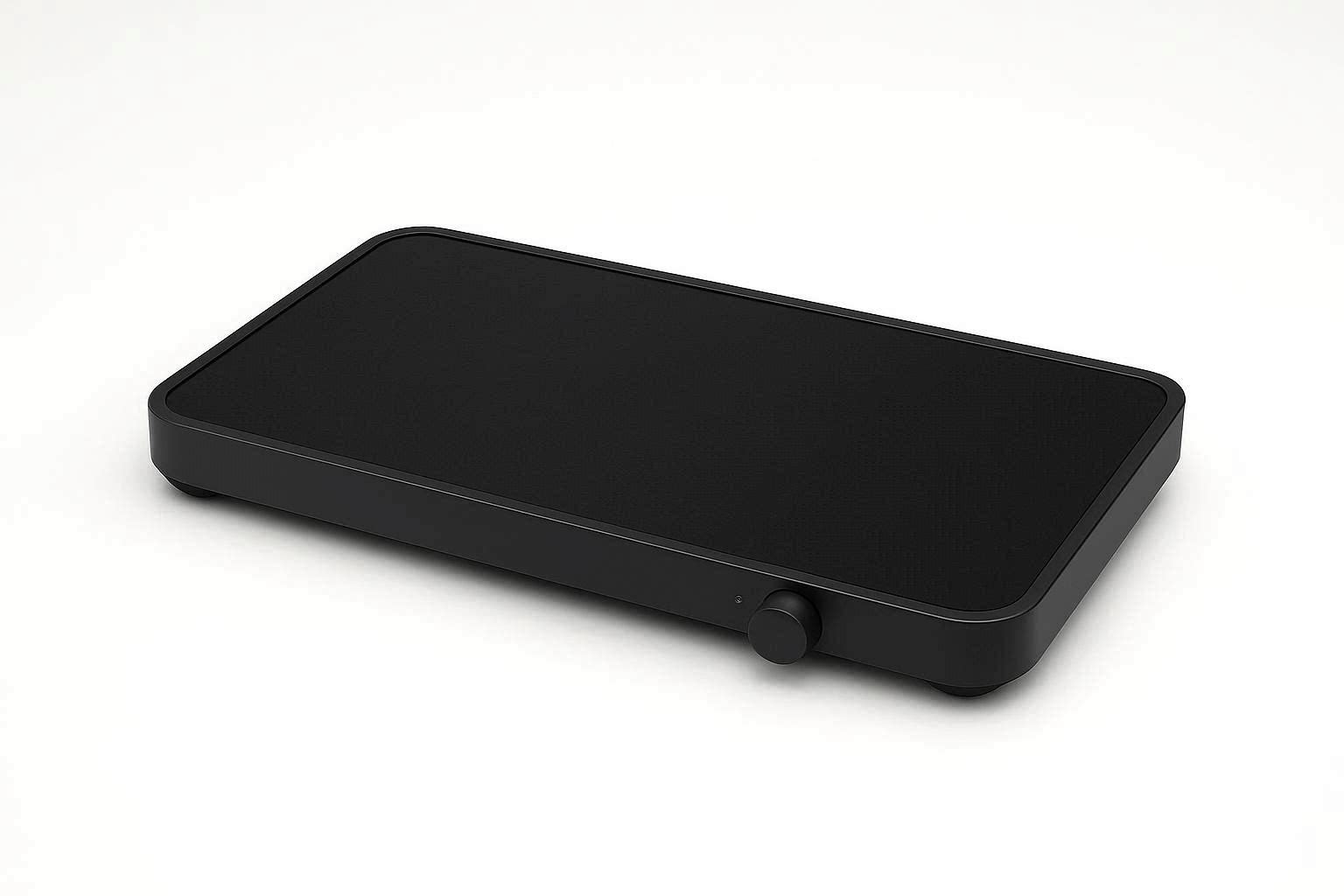
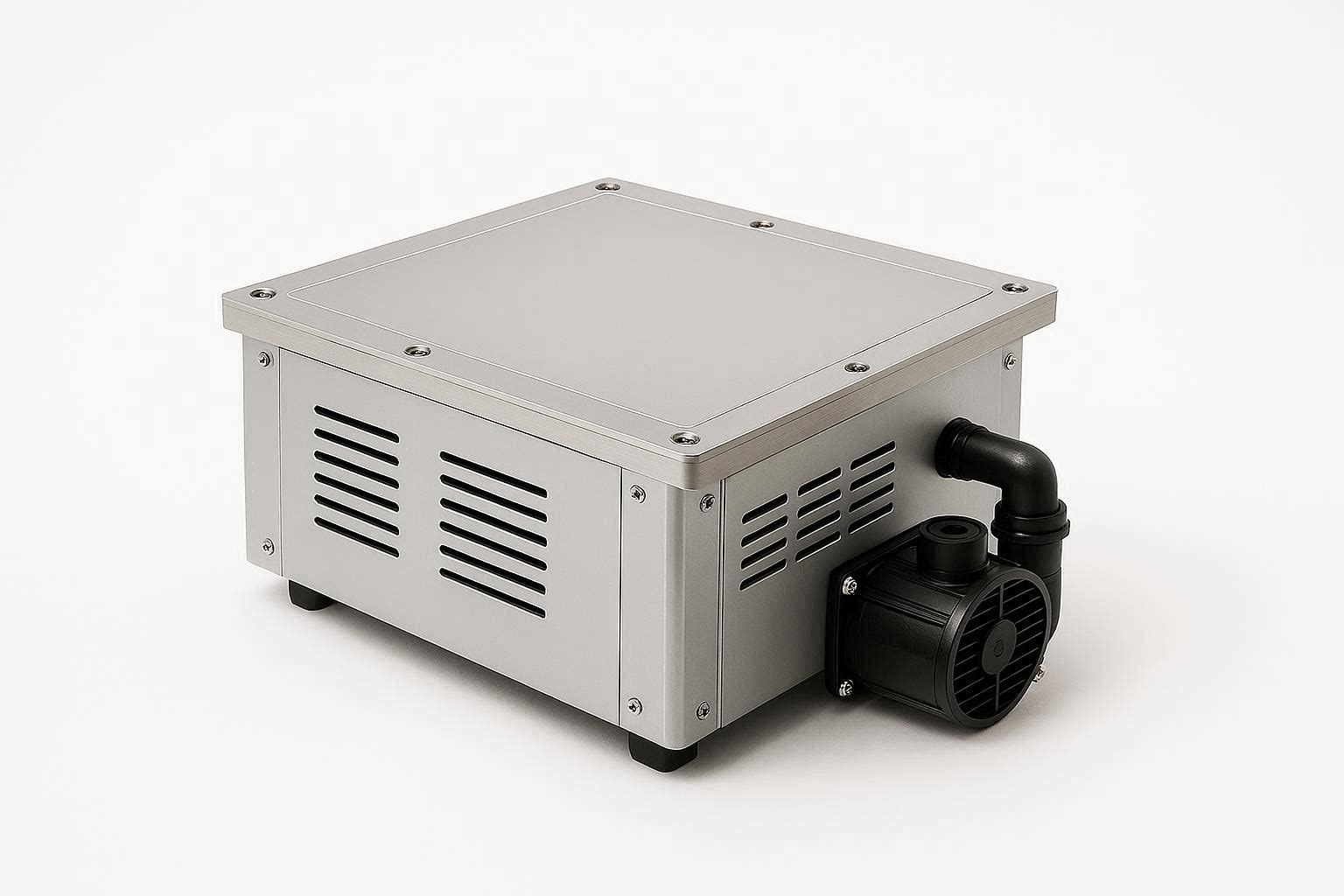
Hot Plate & Chill Plate – Precise Temperature Control Solutions for Laboratory and Industrial Applications
Hot Plates and Chill Plates are essential temperature control devices used in laboratories and industrial settings to heat or cool samples, chemicals, and materials with precision. They enable controlled heating, cooling, and temperature maintenance for a variety of scientific and manufacturing processes.
What is a Hot Plate?
A Hot Plate is a flat, heated surface designed to provide uniform heat to samples or containers placed directly on it. It is commonly used for heating liquids, stirring solutions, or preparing samples in laboratory experiments.
Key Features of Hot Plates:
- Variable temperature controls
- Flat, smooth heating surface
- Safety features like over-temperature protection
- Compatibility with magnetic stirrers
- Digital or analog temperature display
Applications of Hot Plates:
- Heating chemicals and solutions
- Stirring and mixing during reactions
- Drying samples
- Melting or softening materials
- Laboratory synthesis and preparation
What is a Chill Plate?
A Chill Plate (also known as a cooling plate) is designed to cool samples or materials rapidly and maintain low temperatures during experiments or manufacturing processes. Chill plates are often integrated with cooling systems such as circulating chillers or refrigeration units.
Key Features of Chill Plates:
- Efficient heat extraction
- Precise temperature regulation
- Compatibility with cooling fluids
- Insulated surfaces to prevent heat gain
- Adjustable temperature controls
Applications of Chill Plates:
- Cooling sensitive electronic components
- Maintaining low temperatures during chemical reactions
- Condensation and crystallization processes
- Sample preservation
- Cooling during manufacturing or testing
Benefits of Using Hot and Chill Plates:
- Accurate Temperature Control: Ensures reproducibility and precision.
- Versatility: Suitable for a wide range of laboratory and industrial tasks.
- Process Efficiency: Speeds up heating or cooling processes.
- Safety: Built-in safety features prevent overheating or overcooling.
- Ease of Use: User-friendly controls and interfaces.
Key Value Propositions
- Superior Thermal Uniformity: Multi-zone heating element arrays eliminate edge-effect heat loss, ensuring consistent chemical reactions across 200mm and 300mm substrates.
- Precision Proximity Baking: Programmable motorized pins allow for "Proximity," "Soft-Contact," or "Vacuum-Contact" baking to control solvent evaporation rates and prevent backside contamination.
- Rapid Throughput Optimization: High-wattage density heaters and high-flow Peltier/liquid cooling circuits minimize stabilization time between process steps.
- Cleanroom Integrity: Fully enclosed, low-outgassing designs with integrated exhaust manifolds, certified for ISO Class 1 environments.
- Advanced Recipe Management: PLC-controlled interface supports multi-step thermal profiles (ramp/soak/cool) with full SECS/GEM connectivity for fab-wide traceability.
Technical Deep-Dive
- Our plates utilize high-grade materials chosen for thermal conductivity and chemical resistance.
- Heating Technology: Resistance heating utilizing embedded PID-controlled zones. For high-temp applications (>300°C), Silicon Carbide (SiC) plates are used to ensure zero metallic contamination and superior flatness.
- Cooling Mechanisms: Chill plates utilize a turbulent-flow recirculating water jacket or high-precision Peltier modules to achieve sub-second response times for post-exposure bake (PEB) quenching.
- Wafer Centering: Automatic centering pins and edge-grip options ensure the wafer is perfectly aligned with the thermal zones for every run.
- Technical Drawings: [Placeholder: Request CAD Previews for Automated Track Integration].
Buyer’s Guide / Decision Logic
- Selecting thermal equipment requires balancing the thermal budget with process sensitivity:
- Uniformity vs. Range: For lithography (PEB), uniformity is the critical spec (±0.1°C); for polyimide curing, the absolute maximum temperature (up to 450°C) is the priority.
- Substrate Material: Thick glass or ceramic substrates require plates with high thermal mass and slower ramp rates to prevent thermal shock/cracking.
- Proximity Control: If your resist is sensitive to "skinning," choose a model with precision proximity pins (10µm resolution) to manage the air gap between the wafer and the plate.
Technical FAQ
Q: How do you calibrate the temperature across the plate?
A: We provide specialized wireless "Instrumented Wafers" equipped with 17+ sensors to map real-time thermal uniformity and calibrate the PID offsets for each zone.
Q: Can the hot plate be used for vacuum baking?
A: Yes. Our "Vacuum-Contact" models feature integrated vacuum grooves and O-rings to ensure the wafer is pulled flat against the surface for maximum heat transfer efficiency.
Q: What is the Mean Time Between Failures (MTBF) for the heating elements?
A: Our high-durability heating arrays are rated for >20,000 continuous operating hours. The modular design allows for independent zone replacement without scrapping the entire plate.
Q: Does the system support SEMI S2/S8 safety standards?
A: All units include over-temperature protection (hard-wired thermal fuses), EMO integration, and insulated shrouds to meet SEMI S2 safety requirements.
Q: How does the chill plate handle condensation?
A: For low-temperature cooling, the plate is equipped with a dry nitrogen purge ring to maintain a local low-humidity environment, preventing moisture buildup on the wafer surface.
Precision Hot Plates & Chill Plates | SEMI-Compliant Wafer Thermal Processing
High-uniformity thermal plates for 200mm/300mm wafer baking and cooling. Features sub-0.1°C temperature control, programmable recipes, and ISO Class 1 compatibility.
In advanced photolithography and thin-film curing, even a fractional degree of thermal variance can lead to critical CD (Critical Dimension) errors and film instability. Our Precision Hot Plates & Chill Plates provide industry-leading thermal uniformity and rapid ramp rates, ensuring consistent photoresist adhesion and stress-free cooling across the entire wafer surface. Designed for seamless integration into automated tracks or stand-alone R&D stations, these tools provide the repeatable thermal budget control necessary for sub-nanometer node processing.
| Model No. | Temperature Range | Uniformity (Across Wafer) | Plate Material | Primary Application |
|---|---|---|---|---|
| HP-Nano 200 | Ambient to 300°C | ±0.3°C | Anodized Al / Ceramic | Resist Bake / Soft Bake |
| HP-Ultra 300 | Ambient to 450°C | ±0.2°C | Silicon Carbide (SiC) | Polyimide Curing / Hard Bake |
| CP-Chrono 300 | 10°C to 40°C | ±0.1°C | Nickel-Plated Cu | Post-Bake Rapid Cooling |
| HCP-Hybrid | 0°C to 200°C | ±0.5°C | Multi-Zone Alloy | MEMS / Thermal Cycling |
Request a Technical Consultation to discuss your thermal budget requirements or Get a Quote for Custom Configuration.
Order Form
About Semiconductor Electronics
SEMI EL project is a global supplier of materials, equipment, spare parts and supplies for the semiconductor industry.
Get In Touch
Email: info@semi-el.com